Lemon Dreams: The Bouncy, Charming Font for Creative Projects
There’s a particular kind of joy in a design that feels personal, approachable, and full of life. It doesn’t shout; it smiles. Achieving that feeling often comes down to a single, crucial choice: the typeface. If you’ve been searching for a font that embodies warmth, whimsy, and a handcrafted touch, you may have just found your perfect match. This is the story of Lemon Dreams, a premium handwritten font that brings a burst of cheerful energy to any project it graces.
A Font with Personality, Not Just Characters
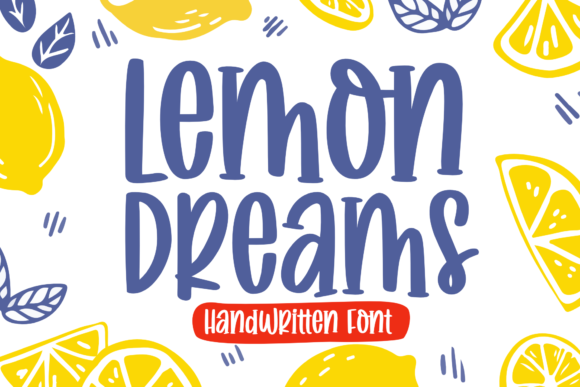
Lemon Dreams is more than a collection of letters; it’s a design asset with a distinct personality. Imagine the casual elegance of a quick, confident sketch, but refined into a consistent and usable typeface. The letters have a natural, bouncy baseline that creates a sense of movement and friendliness. This isn’t a rigid, corporate script. It’s a charming handwritten font that feels like it was penned by a creative friend, making it instantly relatable. Its visual appeal lies in this delicate balance—it’s polished enough for professional use yet retains the authentic, slightly imperfect character of real handwriting.
This quality makes it incredibly versatile. The bouncy charm works beautifully for projects targeting families, creative communities, boutique brands, or anyone wanting to convey approachability and sincerity. It avoids the overly formal or impersonal feel of many sans serif fonts, and while it’s a script, its legibility is carefully considered, setting it apart from more elaborate calligraphic styles.
From Brand Identity to Social Media Feeds
The true test of a creative font is how well it translates across different mediums. Lemon Dreams excels here, serving as a powerful tool for building a cohesive and engaging brand identity.
For logo design, it can become the cornerstone of a brand’s visual voice. Imagine a bakery, a handmade jewelry shop, a yoga studio, or a lifestyle blog using Lemon Dreams for their wordmark. It immediately communicates creativity, care, and a personal touch. Pair it with a simple, clean sans serif font for body text, and you have a professional and memorable typographic system.
Beyond the logo, this typeface shines in packaging design. On a product label for artisanal jams, organic skincare, or specialty coffee, the handwritten style reinforces the product’s handmade, premium quality. It tells a story of craftsmanship before the customer even reads the description. The same principle applies to merchandise—think tote bags, mugs, or t-shirts—where a unique font adds that desirable, boutique feel.
In the digital realm, Lemon Dreams is a standout for social media graphics. It’s perfect for creating eye-catching quotes, Instagram story announcements, or Facebook post headers that stop the scroll. Its friendly vibe boosts audience engagement, making your content feel more like a conversation than a broadcast. For bloggers and content creators, it can be used for article titles, pull quotes, or section headers, adding visual interest and breaking up text-heavy pages. On a website, it can be strategically used for hero section headings or call-to-action buttons to inject personality, though careful pairing with a highly readable body font is essential for longer text.
Practical Applications for Print and Digital
The utility of a well-crafted display font extends far beyond logos and screens. Lemon Dreams is a fantastic choice for a wide array of print materials and editorial projects.
Designing invitations for a wedding, baby shower, or birthday party? This font sets a joyful and personal tone from the first glance. It’s equally effective for posters promoting a local market, a workshop, or a community event, where you need to convey information with warmth and energy.
For editorial design, think of magazine feature titles, cookbook chapter headings, or the cover of a self-help or lifestyle book. It adds a human touch that can make content feel more accessible and engaging. In the world of digital products, such as planners, printable wall art, or social media template kits, a font like Lemon Dreams adds significant value and aesthetic appeal.
Even in marketing assets like email newsletter headers, sale announcement graphics, or promotional flyers, this typeface helps maintain a consistent and recognizable brand voice that stands out in a crowded inbox.
Making It Work: Practical Typography Tips
Choosing the right font is just the first step. Using it effectively is where design skill comes into play. Here’s how to get the most out of a premium font like Lemon Dreams.
Pairing is Key: A bouncy, decorative script should rarely stand alone for all text. The most professional approach is to pair it with a complementary typeface. A clean, geometric sans serif (like Montserrat or Lato) or a simple, sturdy serif (like Lora or Merriweather) makes an excellent partner. Use Lemon Dreams for headlines, short quotes, or accent text, and let the secondary font handle paragraphs and smaller details. This creates hierarchy and ensures your design is both beautiful and readable.
Readability Considerations: While Lemon Dreams is designed for clarity, its handwritten nature means it’s best suited for short bursts of text—headlines, titles, names, and phrases. Avoid setting long paragraphs in any script or handwritten font, as it can strain the eyes. Always test your designs at the size they will be viewed. A font that looks stunning on a large poster might become illegible as a tiny caption on a mobile screen.
Review the Full Package: When you invest in a commercial font like this, explore everything included. Lemon Dreams typically comes with more than just basic letters. Look for stylistic alternates (different versions of certain characters), swashes, and ligatures. These extra glyphs allow you to customize the look, adding flourishes or connecting letters in unique ways to make your typography truly one-of-a-kind. Understanding what’s in your font file is crucial for unlocking its full creative potential.
Licensing Matters: For any commercial project—whether it’s for a client, your own business, or products you sell—ensure you have the correct commercial license. Reputable font designers and marketplaces provide clear licensing terms. This isn’t just a legal formality; it’s an ethical practice that supports the artists who create the design assets we rely on. Always check the license to understand what’s permitted, such as use on websites, in software, or on print-on-demand merchandise.
Choosing the Right Tool for Your Creative Vision
Selecting a typeface is a strategic decision. It’s about matching the font’s personality to your project’s goals and your audience’s expectations. Lemon Dreams is not the right choice for a law firm’s annual report or a technical manual. But for a vast range of creative and commercial projects where warmth, approachability, and a handcrafted feel are desired, it is an exceptional tool in a designer’s toolkit.
It helps improve visual consistency across all your materials, strengthening brand recognition. Its unique style can make your content more memorable and engaging. By understanding its strengths and following best practices for pairing and readability, you can leverage this charming handwritten font to create designs that don’t just look good, but feel genuinely connected and full of life. In a world of sleek, digital perfection, sometimes a touch of bouncy, human charm is exactly what makes a design resonate.