Overthinking: A Handwritten Font for Authentic Design
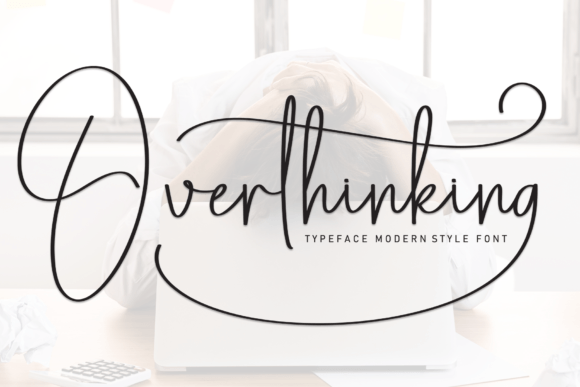
There's a particular quality in a font that feels like it was written by a human hand, not generated by a machine. It carries a warmth, a subtle imperfection, and an instant sense of personality. This is the space where the Overthinking font operates. It’s a delicate and elegant handwritten typeface designed to feel both personal and polished. Its distinct, well-balanced letterforms are crafted to be a versatile asset for anyone looking to inject authenticity and style into their creative work. Whether you're building a brand from the ground up or refreshing an existing project, this typeface offers a compelling blend of artistry and functionality.
The Visual Appeal of a Modern Handwritten Typeface
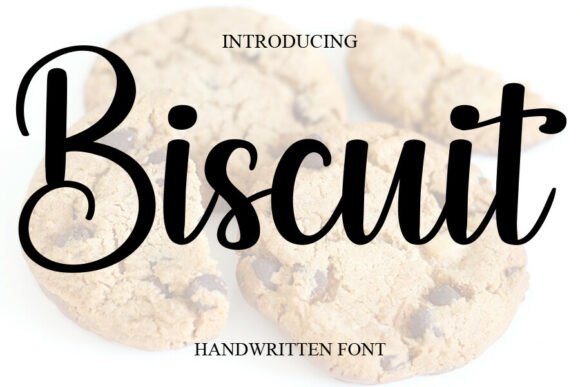
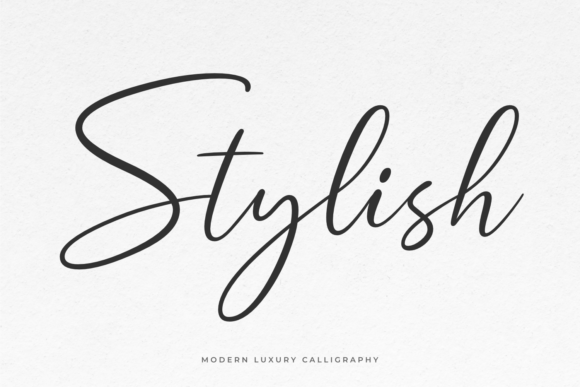
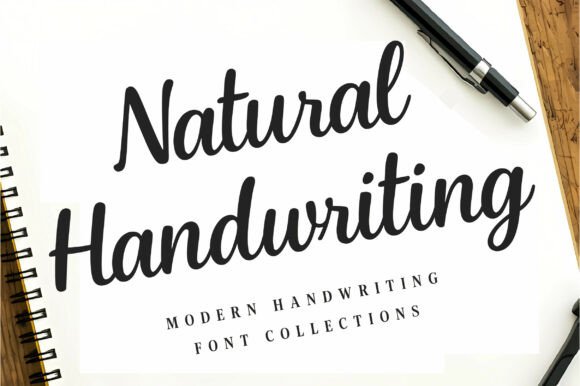
At its core, Overthinking is a premium font that walks the line between casual script and refined display typography. The letters exhibit a natural flow, with slight variations in stroke width that mimic the pressure of a real pen on paper. This avoids the robotic uniformity that can make some digital fonts feel cold. The character set is carefully balanced, ensuring that each letter, number, and glyph stands on its own while harmonizing beautifully with the others. This attention to detail is what separates a standard script font from a true design asset. It doesn't just spell words; it conveys a mood—one of thoughtful creativity, handcrafted quality, and approachable elegance.
Where Overthinking Truly Shines: Practical Applications
The real test of any creative font is its versatility. Overthinking excels because it can adapt to a wide range of contexts without losing its core identity. Consider its use in logo design. A logo needs to be memorable and reflective of a brand's values. Using this handwritten font for a boutique, a café, or a creative consultancy immediately signals a focus on personal touch and craftsmanship. It works brilliantly for the main logotype or as a complementary script element, adding a layer of sophistication that a standard sans serif font might lack.
Moving beyond the logo, this typeface becomes a powerful tool for building a cohesive brand identity. Imagine it applied to packaging design for artisanal goods, skincare products, or gourmet foods. The font on the label tells a story before the customer even reads the words. It suggests that care and attention went into the product's creation. For social media graphics, Overthinking can make quotes, announcements, and promotional posts stand out in a crowded feed. Its handwritten nature feels more intimate and engaging than blocky text, potentially boosting audience interaction. It’s equally effective for blog headers, website hero sections, and digital products like e-books or online course materials, where it helps maintain a consistent and professional yet personal presentation.
Print applications are where the font's elegance is fully realized. Think of wedding invitations, event posters, or restaurant menus. Overthinking provides a touch of class that elevates the entire piece. For editorial design, such as magazine features or book covers, it can be used for pull quotes, chapter titles, or author names to add visual interest and break up dense text. Even for merchandise like tote bags, mugs, or apparel, the font translates beautifully, offering a design that feels custom and curated.
Enhancing Your Projects with Thoughtful Typography
Choosing a font like Overthinking isn't just about aesthetics; it's a strategic decision that impacts how your message is received. Using a consistent typeface across all your marketing assets—from your website to your business cards—builds visual consistency. This repetition is fundamental to brand recognition. When customers see that familiar, elegant script, they immediately connect it with your business, fostering trust and familiarity.
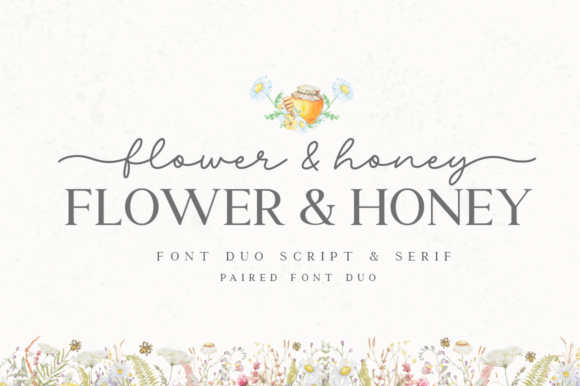
However, with any display font, especially a script font, readability considerations are paramount. Overthinking is designed with clarity in mind, but its best use is often for headlines, short phrases, or accent text. For body copy or lengthy paragraphs, pairing it with a clean, highly readable sans serif font or a simple serif font is essential. This practice of font pairing creates hierarchy and ensures your content is accessible. A good rule of thumb is to let Overthinking carry the emotional weight in titles and calls-to-action, while a more neutral font handles the detailed information.
Making the Most of Your Design Asset
Before integrating any new typeface into your workflow, a few practical steps can ensure success. First, take time to explore the font files. A high-quality commercial font like Overthinking often includes multiple styles—perhaps regular, italic, or even stylistic alternates. Reviewing these included font styles gives you more creative flexibility. Test the font in your specific design software with your actual content. How does it look at different sizes? How does it interact with your color palette and imagery?
Also, always clarify the commercial licensing terms. Understanding the license is crucial for avoiding legal issues, especially if you plan to use the font in client work, merchandise for sale, or large-scale distribution. A legitimate premium font will come with clear guidelines, giving you peace of mind to use it across all your projects.
Ultimately, typography is a voice. The Overthinking font speaks in a tone that is deliberate, artistic, and human. It’s a tool for designers, entrepreneurs, and creators who understand that the details make the difference. By thoughtfully applying this modern typography to your work, you’re not just choosing letters; you’re crafting an experience that resonates with your audience on a more personal level.