Retail Therapy: A Font That Feels Like a Fresh Start
There's a particular kind of magic in finding something that just fits. It's the feeling of slipping into a perfectly tailored jacket or discovering a quote that says exactly what you've been thinking. In the world of design, that same feeling comes from finding a typeface that captures the precise emotion you're aiming for. Retail Therapy is one of those fonts. It doesn't just display words; it communicates a feeling of elegance, lightness, and thoughtful care. For anyone crafting a brand, designing a product, or simply making something beautiful, this modern handwritten font offers a distinct voice that feels both personal and polished.
Capturing an Elegance That Connects
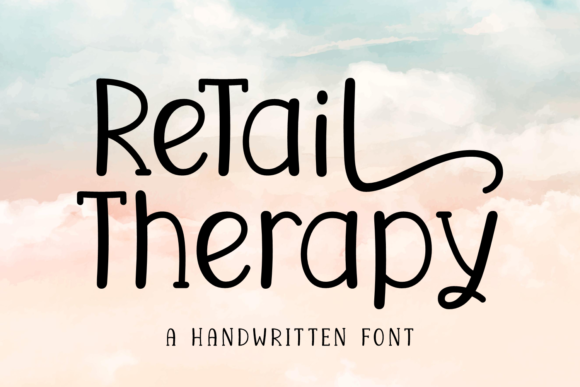
What immediately sets Retail Therapy apart is its visual personality. The characters are tall and slender, with a delicate weight that suggests grace without sacrificing clarity. This isn't the heavy, looping script you might find on a generic greeting card. It's a contemporary typeface with a refined, airy quality. Think of the handwritten notes from a stylish friend or the elegant lettering on a boutique's packaging. The thin strokes create a sense of sophistication and modernity, making it an excellent choice for projects that need to feel premium and thoughtful. It’s a creative font that bridges the gap between the intimacy of handwriting and the clean professionalism of modern typography.
This aesthetic makes it incredibly versatile. It can feel romantic on a wedding invitation, aspirational on a social media graphic for a life coach, and luxurious on the label of a small-batch skincare product. The key is its ability to add a human touch without looking messy or unprofessional—a common challenge with many script fonts.
From Digital Feeds to Physical Shelves
The true test of a good typeface is how it performs in the real world. A font might look beautiful on a font specimen page, but how does it hold up when it's the headline on your website, the logo on your packaging, or the text on a printed poster? This is where a well-crafted font like Retail Therapy proves its value as a core design asset.
For branding and logo design, it offers a fantastic starting point. Imagine a boutique clothing store, a freelance photographer, or a wedding planner using this typeface as their primary logomark. It immediately establishes an identity that is elegant, approachable, and detail-oriented. Pair it with a simple sans serif font for body text, and you have a complete, cohesive brand identity system that feels intentional from the first glance.
In packaging design, shelf appeal is everything. Retail Therapy can elevate a simple box or bag. Use it for the product name on a artisanal candle, a gourmet chocolate bar, or a handmade soap. The font's elegance communicates quality and care, suggesting to the customer that the same attention to detail went into the product itself. It turns packaging into an experience, not just a container.
For social media graphics and digital marketing, standing out in a crowded feed is crucial. This font is perfect for creating quotes, announcements, and promotional graphics that feel more like art than advertising. Its tall, thin characters are highly legible even at smaller sizes on a mobile screen, making it a practical choice for Instagram stories, Pinterest pins, and Facebook ads. It helps create a visual consistency across your digital presence, making your brand instantly recognizable.
Making Smart Typographic Choices
While Retail Therapy is a versatile premium font, using it effectively requires some thoughtful consideration. No single font can do every job, and understanding its strengths will help you get the most out of it.
Consider the Context. This typeface excels in display uses—headlines, logos, pull quotes, and short, impactful text. Its delicate nature means it's not the best choice for long paragraphs of body copy, where readability at small sizes is paramount. For body text, pair it with a highly legible serif or sans serif font. A classic serif like Georgia or a clean sans serif like Open Sans can provide the perfect counterbalance, letting Retail Therapy shine in its starring role.
Test Your Font Pairings. Before finalizing a design, always test how your chosen fonts look together. Does the weight of the body font clash with the thin strokes of Retail Therapy? Is there enough contrast to create a clear visual hierarchy? Print a sample or view it on different screens. The goal is harmony, where each font complements the other without competing for attention.
Review the Included Styles. Many premium fonts come with more than one style. Check if the Retail Therapy font family includes additional weights or stylistic alternates. These variations can be incredibly useful for adding subtle emphasis or creating a more dynamic typographic system within your designs.
Understand Licensing. If you're using the font for commercial projects—which includes client work, merchandise for sale, or marketing materials for your business—ensure you have the correct commercial license. This is a standard and crucial part of using any commercial font, protecting both you as the creator and the font designer's work.
A Tool for Telling Your Story
Ultimately, typography is about communication. The fonts you choose are a direct line to your audience's emotions and expectations. A heavy, bold font shouts confidence. A geometric sans serif feels technical and efficient. Retail Therapy speaks in a different tone. It suggests a story, a personal connection, and an appreciation for beauty. It’s the font equivalent of a beautifully handwritten thank-you note or the elegant script on a cherished family recipe.
For the entrepreneur building a brand from the ground up, it offers a shortcut to a professional and stylized identity. For the designer, it's a tool in the kit for adding a specific, sophisticated flair. For the content creator or blogger, it's a way to make quotes and key messages feel more shareable and impactful. It’s more than just a collection of glyphs; it’s a design asset that helps shape perception and build a visual world that your audience wants to be part of. In a landscape saturated with generic templates and overused fonts, choosing something with as much character as Retail Therapy is a small but powerful step toward creating work that truly resonates.