Fruciante Hand: A Script Font That Feels Like a Conversation
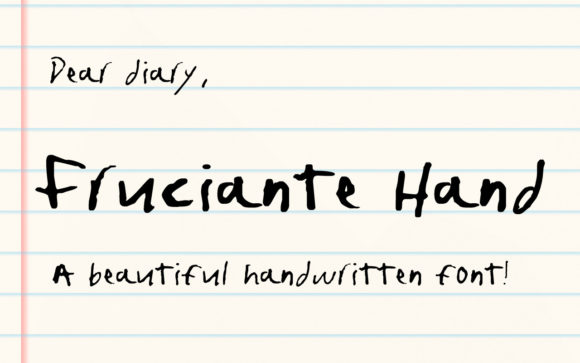
There's a moment in every creative project where the typography either clicks or it doesn't. You've nailed the color palette, the imagery feels right, but the text sits there looking stiff and disconnected. That's usually when you need a font like Fruciante Hand—a script typeface that doesn't just sit on the page but actually moves through it.
Designed with natural, flowing letterforms and well-balanced characters, Fruciante Hand bridges the gap between casual warmth and polished professionalism. It's the kind of font that makes handwritten notes look intentional and brand messaging feel personal. Whether you're designing a wedding invitation or building a coffee shop's entire visual identity, this typeface adapts without losing its character.
Why Script Fonts Still Matter in Modern Design
Handwritten and script fonts have always carried emotional weight. They suggest authenticity, human touch, and personality—qualities that sterile sans-serif typefaces struggle to communicate on their own. But here's the catch: most script fonts fall into one of two camps. They're either too messy to read at small sizes or so perfectly uniform that they lose the handmade quality that makes them appealing in the first place.
Fruciante Hand sidesteps both problems. Its strokes have a natural rhythm, with slight variations that keep the text feeling organic without sacrificing legibility. The letter connections flow smoothly, avoiding the awkward joins that plague cheaper script fonts. At larger display sizes, you get that gorgeous calligraphic sweep. Scaled down for body text or captions, the characters remain distinct and readable.
This balance makes it a genuinely versatile premium font. It works as a display font for headlines and hero sections, but it's equally at home in smaller applications where personality still needs to come through.
Real Applications, Real Results
Let's talk about where Fruciante Hand actually earns its place in your design toolkit—not in theory, but in practice.
Brand Identity and Logo Design
A bakery called "Morning Ritual" recently used Fruciante Hand as their primary logotype. The flowing script captured the artisanal, handcrafted nature of their sourdough and pastries without looking amateurish. Paired with a clean sans serif font for secondary text, the result felt cohesive and memorable. That's the kind of font pairing that elevates a brand identity from forgettable to distinctive.
Packaging Design
Product packaging demands typography that communicates quickly and emotionally. Whether it's a candle label, a skincare bottle, or a gourmet food wrapper, Fruciante Hand adds that premium, artisan feel. Its flowing characters draw the eye naturally across the label, guiding customers from the product name to the supporting details without visual fatigue.
Social Media Graphics
On platforms where you have roughly two seconds to stop someone from scrolling, personality matters. Instagram quotes, Pinterest pins, and Facebook promotions all benefit from typefaces that feel human. Fruciante Hand works beautifully for overlay text on photography, story templates, and branded content series. It's a creative font that photographs well and reads clearly even on mobile screens.
Invitations and Event Materials
Wedding stationery, baby shower invitations, milestone birthday cards—these projects live and die by their typography. Fruciante Hand delivers that elegant, celebratory tone without crossing into overly formal territory. It feels joyful and approachable, which is exactly what most personal event designs need.
Web Design and Blogs
Used strategically in website headers, pull quotes, and call-to-action buttons, script fonts like Fruciante Hand break up visual monotony. A blog about travel, food, or lifestyle content can use it for section headers to create visual hierarchy while maintaining a warm, conversational tone throughout the site.
Print Materials and Posters
From business cards to event posters, print design still demands fonts that reproduce cleanly across different paper stocks and printing methods. Fruciante Hand's well-defined strokes maintain their integrity whether you're printing on textured cardstock or glossy poster paper.
Choosing the Right Font Style for Your Project
Not every project calls for the same typographic voice. Here's a practical framework for deciding when Fruciante Hand is the right choice—and when you might need something different.
It works well when your project needs:
- A personal, approachable tone
- Visual warmth and emotional connection
- A handmade or artisanal aesthetic
- Contrast when paired with geometric or minimalist typefaces
- A premium feel without corporate stiffness
Consider alternatives when your project requires:
- Highly technical or data-heavy content
- Extensive body text at very small sizes
- A strictly minimalist or industrial aesthetic
The key is matching typography to project goals. A tech startup's API documentation probably doesn't need a script font. But that same startup's investor pitch deck? A touch of Fruciante Hand in section dividers or pull quotes could add just enough personality to make the presentation memorable.
Font Pairing: Making Fruciante Hand Work with Other Typefaces
Script fonts rarely work in isolation. The real magic happens in how you combine them with other design assets. Here are some pairings that complement Fruciante Hand's flowing character:
With a modern serif font: Pairing Fruciante Hand with a transitional serif font like a contemporary Garamond interpretation creates a sophisticated, editorial look. This combination works beautifully for magazine layouts, book covers, and luxury brand materials.
With a clean sans serif: A geometric or humanist sans serif font grounds the script's expressiveness. This is the go-to pairing for web design, social media graphics, and packaging design where you need hierarchy and readability.
With a slab serif: For projects that need to feel both approachable and sturdy—think artisan food brands or outdoor lifestyle companies—pairing Fruciante Hand with a slab serif creates a balanced, grounded aesthetic.
Always test your pairings in context. Set them at the actual sizes you'll use. View them on different screens and in different lighting conditions. A combination that looks stunning at 72pt on your monitor might feel chaotic at 14pt on a product label.
Practical Tips for Working with Script Fonts
Before you drop Fruciante Hand into your next project, keep these considerations in mind:
Spacing matters more than you think. Script fonts often need tighter letter-spacing than their sans-serif counterparts because the characters are designed to connect. But too tight, and the letters collide awkwardly. Find the sweet spot by testing at your intended size.
Don't overuse it. A full paragraph set in any script font becomes exhausting to read. Use Fruciante Hand for headlines, short phrases, names, and accent text. Let a more neutral typeface handle the heavy lifting.
Check the included styles. Many premium fonts come with alternates, ligatures, and stylistic sets that give you more creative control. Explore what's included—you might discover swash capitals or alternate letterforms that perfectly suit your specific application.
Review licensing carefully. If you're using Fruciante Hand for commercial font applications—client work, merchandise, products for sale—make sure your license covers that use. Most quality font foundries offer clear licensing terms, but it's worth confirming before you launch.
Making Your Designs Feel Intentional
The difference between amateur and professional design often comes down to intentionality. Every element should feel like it belongs—including the typography. Fruciante Hand doesn't just decorate your designs; it communicates tone, establishes mood, and creates visual connections between different parts of a project.
When you add it to your creative toolkit, you're not just downloading another typeface. You're gaining a design asset that can unify a brand across touchpoints, from a website header to a printed thank-you card. Its natural flow and balanced proportions mean it adapts to context without losing its identity—exactly what you need from a font that's meant to feel personal.
Author: Joe van der Ham