Ravenborg: A Modern Blackletter Font for Bold Branding
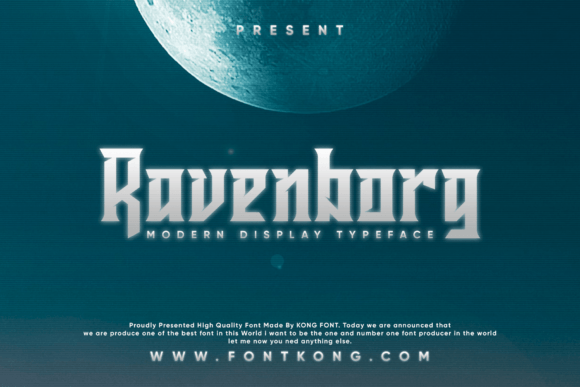
There's a particular kind of visual tension that happens when you pair historical typography with contemporary design. It catches people off guard. They expect gothic lettering to feel medieval, dusty, maybe even a little intimidating. But when a font like Ravenborg enters the conversation, those assumptions start to crumble. This is a blackletter typeface that doesn't ask you to pretend it's the year 1450. It sits comfortably in modern design spaces, offering that unmistakable blackletter drama without sacrificing clarity or versatility.
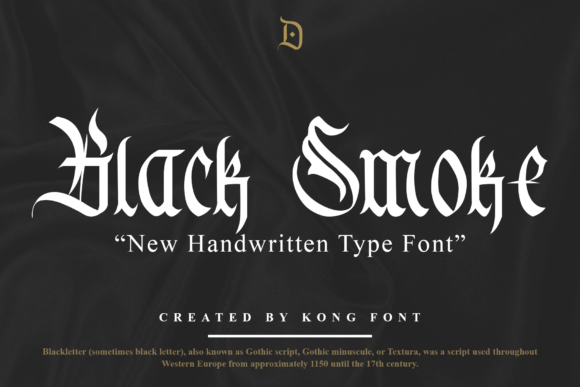
Created by Kong Font Studio and available through Creative Fabrica, Ravenborg occupies a niche that many designers struggle to fill. You want the visual weight and personality of blackletter, but you also need something that works in Photoshop, Silhouette Design Studio, and across your broader design toolkit. Ravenborg delivers on that front, and the reasons it works so well are worth unpacking.
Why Blackletter Still Matters in Modern Design
Blackletter fonts carry cultural baggage, and that's actually their strength. People associate them with authority, craftsmanship, heritage, and a certain kind of unapologetic confidence. Think about the brands that lean into this aesthetic—breweries, streetwear labels, music venues, tattoo studios, artisan food companies. They're not choosing blackletter because it's trendy. They're choosing it because it communicates something specific: tradition with an edge, history with intention.
The challenge has always been readability. Traditional blackletter scripts were designed for dense, handwritten manuscripts. In a digital context—where your audience might be glancing at a phone screen for three seconds—that historical density becomes a liability. Ravenborg addresses this by refining the blackletter form. The letterforms are cleaner, the spacing is more generous, and the overall texture feels lighter than what you'd find in a centuries-old typeface. It's still recognizably blackletter, but it doesn't punish the viewer for trying to read it.
Where Ravenborg Actually Works
This is where practical application matters more than aesthetic appreciation. A font can look beautiful in a specimen sheet and fall apart the moment you try to use it in a real project. Ravenborg holds up across a surprisingly wide range of contexts, and understanding where it shines helps you make smarter design decisions.
Logo design and brand identity are natural fits. If you're building a brand that wants to signal heritage, craftsmanship, or boldness, Ravenborg gives your wordmark immediate visual authority. A coffee roaster, a barbershop, a craft distillery, a boutique clothing label—these are brands where blackletter typography reinforces the story you're already telling. The key is restraint. Use Ravenborg for the primary mark, then pair it with a clean sans-serif for body copy and supporting text. That contrast creates hierarchy and keeps the design from feeling heavy.
Packaging design benefits from the same logic. On a shelf crowded with minimalist sans-serifs and playful scripts, a blackletter label stands out. Ravenborg works particularly well for product names and taglines on packaging for artisan goods, specialty foods, and beverage brands. Just make sure the legibility holds at the actual print size. Test it. Print a mockup. Hold it at arm's length. If you can read the product name without squinting, you're in good shape.
Social media graphics present a different challenge. You're designing for small screens, short attention spans, and fast scrolling. Ravenborg works here as an accent font—think quote graphics, announcement headers, story overlays, or promotional banners. It's not the font you'd use for a 200-word Instagram caption, but it's exactly right for the three-word headline that stops someone mid-scroll.
Posters, invitations, and editorial layouts are where blackletter fonts have always felt at home. Event posters for music shows, gallery openings, or seasonal markets. Wedding invitations with a dark, romantic aesthetic. Magazine headers that need to feel authoritative without being stuffy. Ravenborg handles all of these with a kind of quiet confidence. It doesn't scream for attention—it simply commands it.
Digital products and merchandise round out the list. If you're selling printables, planners, or design templates, incorporating a distinctive display font like Ravenborg adds perceived value. On merchandise—t-shirts, mugs, tote bags, stickers—blackletter typography has proven staying power. It photographs well, it reads clearly on fabric, and it appeals to audiences who gravitate toward bold, graphic aesthetics.
Getting the Pairing Right
Font pairing is where many designers stumble, especially with display fonts that carry as much visual personality as Ravenborg. The instinct is to match bold with bold, and that almost always creates conflict. Two strong voices competing for attention leaves the viewer confused about where to look first.
A more effective approach is contrast. Pair Ravenborg with a simple, geometric sans-serif for body text. Fonts like Montserrat, Open Sans, or Lato create a clean counterpoint that lets the blackletter headline do its job without interference. If you want something with slightly more character, a humanist sans-serif or a clean serif font can work, but test the combination at actual sizes before committing. What looks balanced at 72pt on your monitor might feel chaotic at 14pt on a printed brochure.
Spacing and sizing also deserve attention. Blackletter fonts tend to have intricate letterforms that benefit from more generous tracking than you'd use with a simple sans-serif. If the letters feel cramped, they'll blur together, especially at smaller sizes. Give Ravenborg room to breathe, and the details that make it visually interesting will actually register with your audience.
Licensing and Practical Considerations
Before you commit any font to a commercial project, licensing matters. Ravenborg is available through Creative Fabrica, which offers licensing options that cover both personal and commercial use. Read the specific terms. Understand whether your license covers merchandise, digital products, client work, or print-on-demand platforms. This isn't bureaucratic busywork—it protects you and your business from legal headaches down the road.
Also, take advantage of the font files included in the package. Premium fonts often come with multiple styles, alternates, or stylistic sets that give you more creative flexibility. Open the font in your design software, explore the character map, and see what's available before you start designing. You might discover ligatures or alternate letterforms that solve a spacing problem or add exactly the visual detail a project needs.
Making Typography Decisions That Actually Work
The best typography advice isn't about following rules—it's about understanding what your audience sees. A font like Ravenborg makes a statement. It tells people something about the brand or project before they read a single word. That's the power of intentional font selection, and it's why the choice between a premium font and a generic one often matters more than people realize.
When you're evaluating any creative font for a project, ask yourself three questions. Does this typeface match the emotional tone of the content? Will it remain legible in the contexts where my audience will encounter it? Does it work with my other design elements rather than against them? If you can answer yes to all three, you've found a font worth using.
Ravenborg answers those questions confidently for a specific range of projects. It's not trying to be everything to everyone. It knows what it is—a modern blackletter typeface with enough refinement to work in contemporary design without losing the visual power that makes blackletter compelling in the first place. For designers, crafters, and creative professionals working in that sweet spot between heritage and modernity, it's a typeface worth serious consideration.