Sakura: The Handwritten Font That Brings Warmth to Modern Design
There's a certain magic in a font that feels human. In a world saturated with crisp, geometric typefaces and sterile digital layouts, the organic stroke of a handwritten font can cut through the noise and create an instant emotional connection. This is the core appeal of Sakura, a premium script typeface designed to infuse projects with a sense of luxury, warmth, and authentic personality. It’s more than just a collection of letters; it’s a design asset crafted to tell a story, one that resonates with elegance and a personal touch.
Understanding the Visual Personality of a Luxury Script
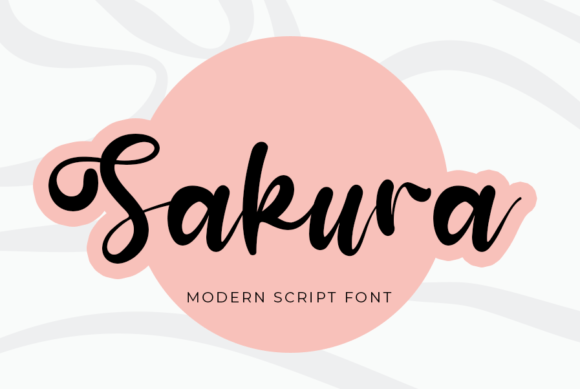
Sakura distinguishes itself through a delicate balance of sophistication and approachability. Its characters flow with a natural, fluid rhythm, mimicking the graceful imperfections of genuine calligraphy. This isn't a rigid, formal script; it carries a modern sensibility while retaining classic elegance. The varying stroke weights and subtle swashes add depth and movement, preventing the text from feeling static. This visual character makes it particularly effective for projects where conveying emotion, craftsmanship, or a high-end feel is paramount. It serves as a powerful tool for any designer or entrepreneur looking to build a memorable brand identity.
Practical Applications: Where a Handwritten Typeface Shines
The versatility of a well-designed creative font like Sakura extends across numerous mediums, offering practical solutions for both digital and print projects. Its primary strength lies in applications where display text needs to make a strong, stylistic impact without sacrificing legibility at larger sizes.
For branding and logo design, Sakura can become the cornerstone of a visual identity. A wedding planner, a boutique bakery, a skincare brand, or a personal coach could use it to craft a logo that feels bespoke and inviting. It immediately communicates a brand's personality—whether that's romantic, artisanal, luxurious, or friendly—before a customer even reads a single line of copy.
In packaging design, this typeface helps products stand out on a crowded shelf. Imagine a handcrafted candle, a gourmet chocolate bar, or a bottle of artisanal olive oil featuring Sakura on its label. The font suggests the product inside is made with care and attention to detail, adding perceived value and justifying a premium price point. The same principle applies to merchandise, from tote bags to apparel, where a stylish typographic element can transform a simple item into a coveted piece.
Digital spaces are another natural habitat. For social media graphics, a handwritten font can stop the scroll. It's perfect for creating eye-catching quotes, announcement headers, or branded story templates on platforms like Instagram and Pinterest. On a website or blog, using Sakura for main headlines, pull quotes, or special call-to-action buttons can guide the visitor's eye and break up the monotony of body text, making the overall design more engaging and memorable.
For print materials such as invitations, event programs, and menus, the font is almost essential. It lends a personal, celebratory touch that standard fonts simply cannot replicate. Similarly, in editorial layouts for magazines or lookbooks, it can be used for feature titles or section breaks to add a layer of stylistic flair. Even marketing assets like email headers, PDF guides, and digital product covers benefit from its ability to make content feel more valuable and professionally presented.
Integrating Sakura into Your Design Workflow
Adopting a new display font into your toolkit requires thoughtful application. The goal is to enhance your design, not overwhelm it. Here are some practical considerations for using a typeface like Sakura effectively.
Font Pairing is Key. A script font is rarely meant to stand alone for all text. Its true power is unlocked when paired with a complementary typeface. For body copy, choose a clean, highly readable sans serif font or a classic serif font. This contrast ensures that your main content remains easy to read while the display font in your headlines captures attention. The pairing creates a visual hierarchy that guides your audience through the information seamlessly.
Readability First. While Sakura is designed for clarity, its handwritten nature means it's best used for short bursts of text—headlines, logos, and subheadings. Avoid setting entire paragraphs in a script or handwritten font, as this can strain the reader's eyes. Always test your designs at the intended viewing size, whether it's a small mobile screen or a large printed poster, to ensure the text remains legible.
Review the Full Character Set. A quality premium font often includes more than just uppercase and lowercase letters. Look for stylistic alternates, ligatures, and swash characters. These extras allow you to customize the look of specific letter combinations, adding a unique, hand-lettered feel to your logos or headlines. Experimenting with these features is what elevates a design from simply using a font to truly mastering it.
Understand Commercial Licensing. Before using any commercial font in client work or products for sale, it is critical to review the license agreement. Most font licenses specify how the font can be used—for example, in a logo, on physical products, or in a mobile app. Ensuring you have the correct license for your project protects you and your clients legally and supports the type designers who create these valuable design assets.
A Tool for Connection and Recognition
Ultimately, typography is about communication. The right typeface doesn't just display words; it conveys tone, emotion, and value. Integrating a font like Sakura into your projects is a strategic decision to foster a stronger connection with your audience. It helps build brand recognition by creating a distinct visual signature. When used consistently, it becomes an integral part of your brand's story, making your communications more cohesive and professional.
Whether you are a small business owner crafting your first brand identity, a content creator seeking to elevate your digital presence, or a designer looking for a versatile script font for your next project, exploring high-quality handwritten typefaces is a worthwhile endeavor. The careful selection of typography is a subtle yet powerful detail that can significantly enhance the visual impact and emotional resonance of your work, turning ordinary designs into extraordinary ones.