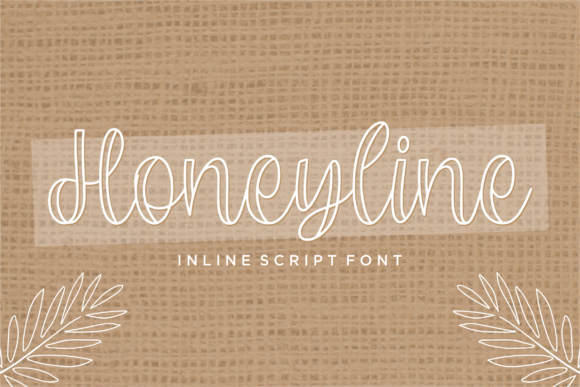
Honeyline: A Script Font for Designs That Feel Personal
There are typefaces that communicate, and then there are typefaces that connect. In a landscape saturated with clean sans-serifs and reliable serifs, finding a font with genuine personality can feel like discovering a hidden gem. Honeyline, a distinct and outlined script font from Qwrtype Foundry, is one of those finds. It doesn’t just spell out words; it infuses them with a handcrafted, elegant energy that feels both personal and polished. If your project calls for a touch of sophistication without sacrificing approachability, this typeface deserves a closer look.
The Allure of the Outlined Script
What immediately sets Honeyline apart is its outlined style. Unlike a solid, filled script, the outlined form creates a lighter, more airy visual impression. This unique characteristic offers incredible versatility. It can sit beautifully over photography without overwhelming the image, layer dynamically in digital designs, and create striking effects when paired with color fills or textures in print. The letterforms themselves are carefully crafted with a flowing, connected rhythm that feels organic and intentional. Each glyph maintains clarity, ensuring that while the style is decorative, legibility remains a priority. This balance is crucial for any premium font intended for real-world application, not just display.
For designers and creators, the PUA encoding is a significant practical advantage. It means every stylistic swash, alternate character, and ligature is accessible through standard software like Adobe Illustrator, Photoshop, or even Canva. You’re not limited to the basic alphabet; you have a full toolkit to customize words, create unique monograms, or add flourishes that make your typography truly one-of-a-kind. This level of access empowers you to move beyond generic text and craft something that feels bespoke.
Where Honeyline Truly Shines: Practical Applications
Understanding a font’s aesthetic is one thing; knowing where to deploy it is another. Honeyline’s visual characteristics make it particularly effective for projects aiming to convey warmth, creativity, and a human touch. Here’s how it can be integrated across various creative and commercial endeavors.
- Brand Identity & Logo Design: For businesses in the lifestyle, wedding, artisanal food, beauty, or boutique retail sectors, Honeyline can become the cornerstone of a brand identity. It works wonderfully for logos, taglines, and brand names where you want to evoke craftsmanship and care. Imagine it on a bakery’s logo, a florist’s packaging, or a consultant’s business card header.
- Packaging & Merchandise: On product labels, boxes, or tote bags, its outlined style can create an elegant, vintage-inspired or modern minimalist look. It’s a fantastic choice for packaging design that needs to stand out on a shelf or in an unboxing video.
- Digital Presence: In the realm of web design and social media graphics, Honeyline excels at drawing the eye. Use it for hero section headings on a website, Instagram story titles, Pinterest pin overlays, or as a featured font in a blog post to highlight a key quote. Its personality boosts audience engagement by adding visual interest that static fonts often lack.
- Editorial & Marketing Materials: Think beyond the digital. It’s perfect for editorial design in magazines or lookbooks, especially for pull quotes or section headers. For marketing assets like flyers, event posters, or email newsletter banners, it adds a layer of sophistication that can improve professional presentation.
- Personal Projects & Invitations: For crafters and hobbyists, it’s a dream for creating wedding invitations, greeting cards, personalized stationery, or wall art. Its handwritten font feel makes any project feel more intimate and special.
Smart Typography: Pairing and Practicality
Introducing a strong display font like Honeyline into your design system requires a thoughtful approach to maintain visual consistency and readability. The golden rule is pairing. A script font of this nature is best used for headlines, accents, and short bursts of text, not for body copy. Its ornate details are designed to capture attention, not sustain long reading.
Therefore, selecting a complementary typeface for supporting text is essential. A clean, geometric sans serif font (like Montserrat or Lato) provides a modern, stable counterpoint that ensures clarity. Alternatively, a classic serif font (like Garamond or Times New Roman) can create a more traditional, editorial contrast. Always test your font pairing in context. Place your Honeyline headline next to your chosen body font at the intended size to check for harmony in weight, spacing, and overall tone. Does it feel balanced? Does the body text remain easy to read?
Consider the technical context. For web design, ensure the font file is optimized for fast loading. For print, verify you have the correct license for commercial use—Honeyline from Qwrtype Foundry comes with licensing that supports both personal and commercial projects, but it’s always wise to review the specifics for your intended application, especially for large-scale merchandise or digital products for resale.
A Tool for Connection
Ultimately, typography is a silent ambassador for your message. Honeyline offers more than just beautiful letters; it provides a means to imbue your projects with character and emotion. Whether you’re building a brand identity from the ground up, refreshing your social media graphics, or crafting a personal gift, its distinct style helps create a lasting impression. It’s a reminder that the right creative font doesn’t just display information—it tells a story, invites interaction, and builds recognition. By understanding its strengths and applying it with strategic care, you can leverage this modern typography asset to elevate your work from simply functional to genuinely memorable.