Calestine Calligraphy: Where Delicate Elegance Meets Modern Design
There's a certain magic in a handwritten note—a warmth and personality that typed text just can't replicate. For designers and creators seeking to capture that authentic, human touch in their digital work, the search for the perfect script font can be endless. You need something that feels personal yet polished, distinctive yet legible, and versatile enough to carry a brand's entire visual voice. This is where a typeface like Calestine Calligraphy enters the conversation, offering a blend of delicate strokes and balanced forms that can transform a simple project into something truly memorable.
Understanding the Font's Personality
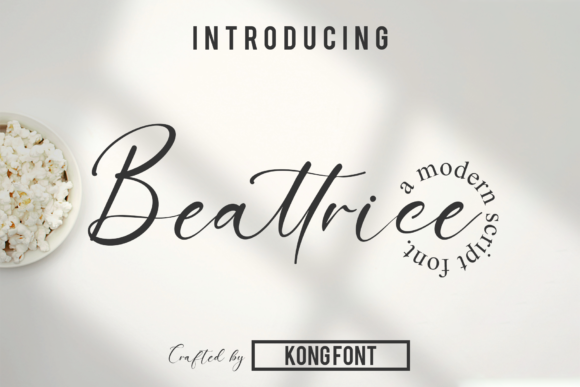
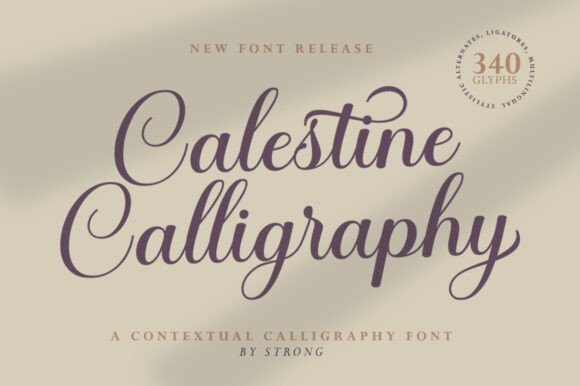
Calestine Calligraphy isn't just another script font. Its character lies in its thoughtful construction. Each letter is crafted with a focus on flow and connection, creating a rhythm that guides the eye naturally from one word to the next. The letterforms exhibit a gentle slant and varied stroke widths, mimicking the subtle pressure changes of a traditional calligrapher's pen. This results in a typeface that feels both organic and intentionally designed. Unlike overly ornate scripts that can become illegible, Calestine maintains a remarkable clarity. Its distinct and well-balanced letters ensure that whether it's used for a single-word logo or a multi-line headline, the message remains the star.
This balance is crucial for practical application. A font's "personality" directly influences a brand's perception. A playful, bouncy script might suit a children's party planner, while a formal, flowing script could elevate a luxury wedding invitation suite. Calestine occupies a sophisticated middle ground—elegant enough for high-end branding, yet approachable enough for lifestyle blogs and artisan product packaging. It communicates care, creativity, and attention to detail, values that resonate across countless industries.
Practical Applications Across Creative Projects
The true test of any premium font is its versatility. How does it perform in the wild, across different media and contexts? Here’s where Calestine Calligraphy demonstrates its strength as a foundational design asset.
For Brand Identity and Logo Design: A logo is the cornerstone of visual recognition. Using Calestine for a wordmark or as a complementary script in a logo lockup can instantly add a layer of bespoke elegance. It’s particularly effective for brands in the beauty, fashion, wellness, food, and creative service sectors. Imagine a boutique bakery's logo, a skincare line's packaging, or a photographer's watermark—each gains a signature touch that feels handcrafted and exclusive.
In Digital Spaces and Social Media: In the fast-scrolling world of Instagram, Pinterest, and TikTok, grabbing attention is paramount. Calestine excels here. Use it for impactful quote graphics, sale announcements, or profile headers to make your content stand out. Its style ensures that even on a small mobile screen, the text remains engaging and readable, helping to boost audience engagement and reinforce brand recognition with every post.
On Packaging and Print Materials: The tactile experience of print benefits immensely from a thoughtful typeface. Calestine can elevate product labels, hang tags, thank you cards, and business cards. When paired with a clean sans-serif for body text, it creates a professional and visually consistent layout that guides the customer's eye and enhances the unboxing experience.
For Editorial and Web Design: While long-form body text calls for a highly legible serif or sans-serif font, Calestine finds its home in headlines, pull quotes, and section dividers on blogs and websites. It breaks up visual monotony and adds a personal voice to digital publications. In editorial layouts for magazines or lookbooks, it can highlight key titles or feature captions, adding a touch of artistry to the page.
Making It Work: Pairing and Readability
Introducing a script font like Calestine into a project requires a thoughtful approach to maintain professionalism and clarity. The goal is to enhance, not overwhelm.
The Art of Font Pairing: Calestine’s greatest partner is often a simple, neutral typeface. A classic sans-serif like Montserrat, Lato, or Open Sans provides a clean, modern counterpoint that grounds the script's flourish. For a more traditional or editorial feel, pairing it with a elegant serif font like Playfair Display or Lora can create a beautiful hierarchy. The key is contrast—let Calestine handle the headlines and special phrases, while its partner font delivers the core information.
Readability is Non-Negotiable: Always test your chosen font at the size it will be used. Calestine is designed for display purposes, so it shines at larger sizes in headlines and titles. For smaller applications, like subheadlines or short captions, ensure there is enough contrast with the background and sufficient letter-spacing to maintain legibility. Avoid using it for long paragraphs of body text, as this can strain the reader's eyes.
Review the Included Styles: A well-equipped premium font often comes with more than just the standard characters. Check if Calestine includes alternates, ligatures, or swashes. These are special characters that can add unique flair to specific letters, allowing for even more customization and preventing repetition in your designs.
Aligning Typography with Your Project Goals
Choosing a typeface is a strategic decision. Before applying Calestine Calligraphy, ask yourself what you want to communicate. Is your project aiming for timeless sophistication, modern romance, or artisanal authenticity? The font’s delicate and elegant style inherently carries these messages.
For a small business owner creating marketing assets, consistency is key. Using Calestine across your website, social media graphics, and printed flyers creates a cohesive brand identity that becomes instantly recognizable. For a content creator, it can become a signature element in your digital products or course materials, adding perceived value and a professional polish.
Finally, always consider commercial licensing. If you're using the font for client work, merchandise for sale, or any commercial endeavor, ensure you have the appropriate license. This not only protects you legally but also supports the typographers who create these invaluable tools for the design community.
In the end, a font like Calestine Calligraphy is more than just a set of letters. It's a tool for storytelling, a vessel for brand personality, and a way to bridge the gap between the impersonal digital world and the human desire for connection. By understanding its strengths and applying it with intention, you can create designs that don't just look beautiful—they feel genuinely crafted.