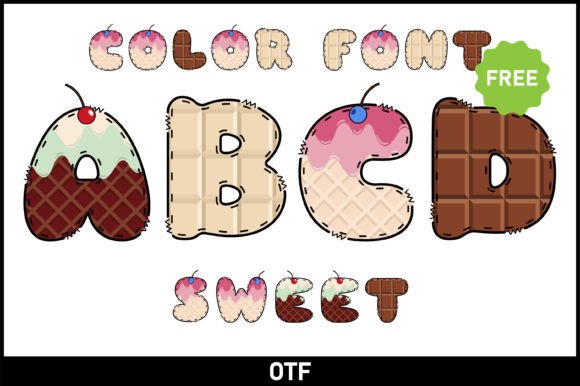
Sweet: A Playful Font for Creative and Commercial Projects
There's a particular feeling a design needs sometimes—something that's approachable, creative, and full of personality. It’s the look you want for a children’s party invitation, the label on a gourmet cupcake box, or the header for a lifestyle blog. Getting that feeling right often comes down to one critical choice: the font. A typeface like Sweet is designed specifically for these moments, offering a visual voice that is both whimsical and highly functional for a wide range of projects.
The Visual Appeal: More Than Just Pretty Letters
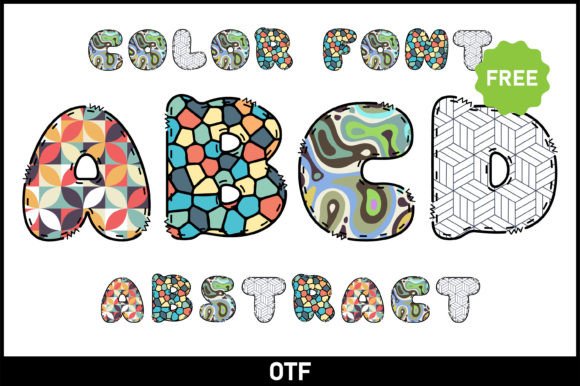
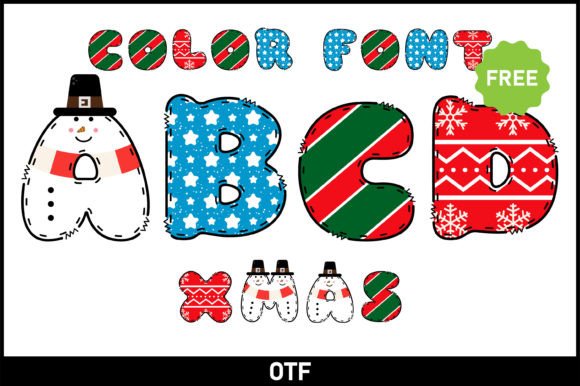
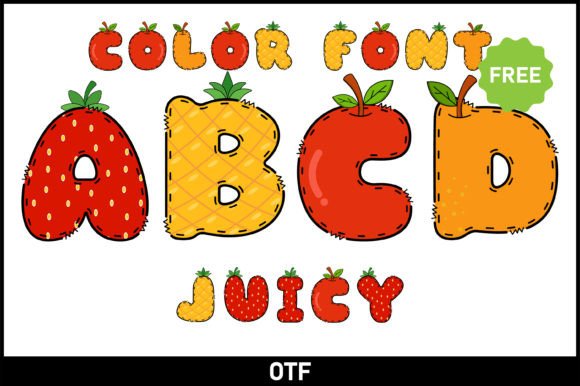
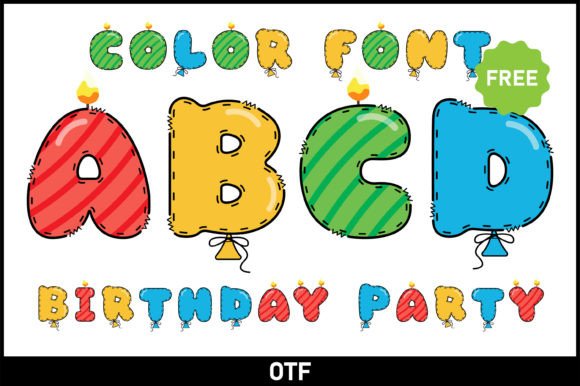
What makes a font like Sweet stand out is its intentional design. It’s crafted to feel hand-drawn, with gentle curves and a slightly irregular baseline that mimics natural handwriting. This isn't a rigid, corporate typeface; it's a creative font that carries a sense of warmth and authenticity. Its playful aesthetic makes it instantly engaging, especially for audiences who appreciate a less formal, more artistic touch. The letters are designed to be clear and legible, even with their decorative flair, striking a crucial balance between style and function. This makes it a strong choice for projects where readability is non-negotiable, like packaging text or social media graphics viewed on small screens.
Where This Playful Font Truly Shines: Practical Applications
Understanding a font's personality is one thing, but knowing exactly where to apply it is where the real value lies for designers, entrepreneurs, and creators. The versatility of a display font like Sweet allows it to adapt to numerous contexts, each benefiting from its unique character.
Branding and Logo Design
For small businesses in the food, beauty, children's products, or artisanal goods space, a logo sets the tone. Sweet can form the foundation of a brand identity that feels friendly, creative, and trustworthy. Imagine it on a bakery’s logo, a boutique’s signage, or the masthead of a handmade jewelry brand. It communicates a story before a customer even reads a word. When used in logo design, it pairs well with a simple sans serif font for body text, creating a hierarchy that is both beautiful and easy to navigate.
Packaging and Product Design
Packaging is a silent salesperson. A font like Sweet can make a product jump off the shelf. Use it for product names on labels for jams, candles, or cosmetics. It works exceptionally well for call-out features on packaging design—phrases like "New!" or "Handmade with Love." Its visual consistency across different product lines can help build strong brand recognition, making your items instantly identifiable to loyal customers.
Digital Presence: Social Media and Websites
In the fast-paced world of social media, stopping the scroll is paramount. Sweet is an excellent tool for creating eye-catching Instagram Stories, Pinterest pins, or Facebook ad graphics. Its handwritten font style feels personal and authentic, which can boost audience engagement. For web design, it’s best used strategically—in hero section headlines, blog post titles, or call-to-action buttons—to add a splash of personality without compromising the site's overall readability. A well-chosen font pairing, like Sweet with a clean serif font for body copy, can make a website feel both professional and inviting.
Print Materials and Editorial Layouts
From wedding invitations to event posters and magazine layouts, print projects demand high-quality typography. Sweet excels in editorial design for pull quotes or section headers, adding visual interest to page layouts. For invitations and greeting cards, it sets a celebratory and personal mood. Its clarity ensures that important details like dates and addresses remain easy to read, a critical consideration in any print material.
Making It Work for You: Practical Font Advice
Choosing a creative font is just the first step. Using it effectively requires a bit of strategy. Here are some practical tips to integrate a font like Sweet into your workflow successfully.
- Review the Included Styles: Most premium fonts come with more than one file. Check if Sweet includes different weights (light, regular, bold) or alternate character styles (swashes, ligatures). These extras provide valuable flexibility for creating visual hierarchy and emphasis in your designs.
- Always Test Font Pairings: Never use a display font in isolation. Test how Sweet pairs with other fonts. A classic combination is a playful script or handwritten font with a neutral sans serif or serif font. This contrast ensures your design remains balanced and professional. Try pairing it with a font like Open Sans or Lora to see what works best for your project's tone.
- Prioritize Readability: The most beautiful font fails if it can’t be read. Test Sweet at the actual size it will appear in your project. Is it legible as a website headline? Is the text clear on a small product label? Adjust letter spacing or font size as needed to maintain clarity.
- Understand Commercial Licensing: If you’re using the font for client work, merchandise, or digital products you sell, you must ensure you have the correct commercial license. This is a non-negotiable part of using design assets professionally. Always read the license agreement to understand what is and isn’t permitted.
- Consider Your Audience and Goal: Match the font’s personality to your project’s objective. Sweet is perfect for a children’s brand, a wedding planner, or a cozy café. It might not be the right fit for a law firm or a tech startup. Let the font support your message, not distract from it.
Ultimately, a typeface is a tool for communication. A font like Sweet offers a specific, valuable toolset for creators and businesses aiming to connect with their audience through a lens of creativity, warmth, and approachable style. By understanding its strengths and applying it thoughtfully, you can enhance your visual storytelling and create designs that truly resonate.