Rakesly: A Modern Typeface with 19th-Century Soul
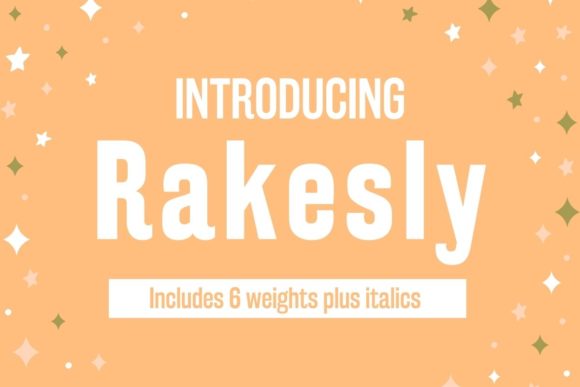
Finding a font that feels both timeless and fresh can feel like searching for a needle in a haystack. You need something with personality that doesn't overpower your message, with versatility that doesn't sacrifice character. Enter Rakesly, a sans serif font that draws direct inspiration from the bold, grotesque headliners of the 19th century. It captures that historical weight and presence but filters it through a clean, contemporary lens. With six weights plus matching italics, this typeface offers a toolkit for designers and creators who need a font that can adapt to countless roles without losing its distinctive voice.
A Voice Rooted in History, Built for Today
Rakesly isn't just another geometric or neo-grotesque sans serif. Its DNA comes from a specific era of typography when type was designed to grab attention on posters, broadsheets, and signage. Think of the sturdy, no-nonsense letterforms used for announcements and advertisements—fonts that communicated importance and clarity. Rakesly takes that foundational idea and refines it. The characters have a subtle warmth and a balanced structure that avoids the coldness some modern sans serifs can project. This makes it a compelling choice for projects where you want to convey reliability, heritage, or a crafted quality, but with a modern sensibility.
The real practical value lies in its extensive family. Having light, regular, medium, bold, extra bold, and black weights at your disposal, each with a true italic, means you can build a complete typographic system for a brand or project from a single font family. This promotes incredible visual consistency. Your headlines, subheads, body text, and captions can all speak the same visual language, which is a cornerstone of strong brand identity. No more wrestling with mismatched fonts from different foundries that clash in weight or proportion.
Where This Typeface Truly Shines
Let's talk about real-world applications. For logo design, Rakesly offers a fantastic starting point. Its strong, recognizable shapes work well for wordmarks, and the range of weights allows you to create a mark that feels perfectly balanced, whether you're going for a sleek, light look or a powerful, heavy impact. For packaging design, especially for products that want to suggest craftsmanship, quality, or a timeless appeal—think gourmet foods, artisanal goods, or boutique cosmetics—Rakesly provides clear, shelf-friendly readability with a touch of classic elegance.
On the digital front, it's a powerhouse for web design and social media graphics. The clean lines ensure legibility on screens of all sizes, from desktop monitors to mobile feeds. The italics are particularly useful for adding emphasis or creating hierarchy in blog posts and articles without resorting to a jarring font switch. If you create digital products like e-books, online courses, or downloadable guides, using Rakesly for both headings and body text can give your materials a polished, professional presentation that builds trust with your audience.
Don't overlook print and physical applications. The font's heritage makes it a natural fit for editorial design in magazines or lookbooks, and its bold weights are perfect for attention-grabbing posters and invitations. For small business owners creating marketing assets like business cards, brochures, or flyers, having a reliable, versatile font like Rakesly in your toolkit is invaluable. It helps you maintain a consistent and professional look across every customer touchpoint.
Practical Tips for Using Rakesly Effectively
Choosing the right weight is your first practical step. Need a delicate, airy feel for a wedding invitation suite? The Light or Regular weight might be your go-to. Creating a bold, impactful headline for a startup's website? Extra Bold or Black will command attention. The Medium and Bold weights are often workhorses for subheadings and shorter text blocks where you need more presence than body text but less than a massive headline.
Font pairing is another key consideration. Because Rakesly has a clear, neutral-with-character personality, it plays well with others. For a classic, professional look, try pairing it with a traditional serif font for body text. For a more modern, minimalist vibe, using different weights of Rakesly throughout a design can create beautiful, harmonious contrast. If you want to introduce a touch of flair, a subtle script font or handwritten font for accent words or pull quotes can complement Rakesly's structured forms without creating chaos.
Always test your chosen weight and pairing in context. How does the Bold look at the size you'll use for your website's H2 headings? Is the Regular weight readable enough for your 12-point body copy in a printed brochure? Zoom out and look at the overall texture of a page filled with text. The goal is for the typography to support the content, not distract from it. Rakesly's design, with its open counters and considered spacing, generally excels in readability, but your specific application always deserves a quick check.
Making the Most of Your Investment
When you're considering a premium font like Rakesly, it's wise to look at the full package. Review all the included styles. Do the italics have a true, redrawn design, or are they merely slanted versions of the uprights? (In Rakesly's case, they are designed italics, which adds to the professional quality). Check the character set—does it include the punctuation, numerals, and language support you need for your projects?
Finally, understand the licensing. For most commercial font families, you need to ensure the license covers your intended use, whether that's for a single client project, for your own business's branding, or for products you'll sell (like on merchandise or in digital templates). This is a crucial step in professional practice. A font with a clear, comprehensive license, like Rakesly, removes guesswork and protects you and your clients down the line.
Ultimately, Rakesly is more than just a collection of letters. It's a design asset that bridges historical inspiration with contemporary need. Its strength lies in its ability to be a quiet workhorse for body text one moment and a striking headline performer the next, all while maintaining a cohesive voice. For the designer building a brand system, the entrepreneur crafting a visual identity, or the creator developing polished content, it offers a reliable and aesthetically grounded foundation to build upon. It’s the kind of tool that, once integrated into your workflow, you’ll find yourself returning to project after project.