Cut Out: The Display Font That Makes Your Ideas Pop
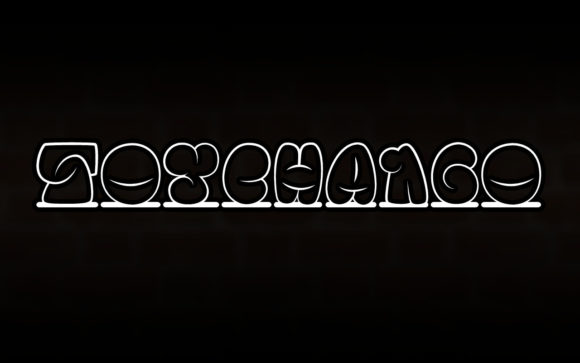
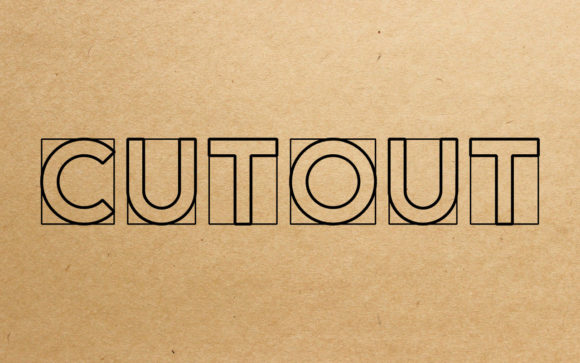
Imagine a font that doesn't just sit on the page but seems to leap off it, creating an immediate sense of depth and intrigue. That's the power of a well-crafted display typeface, and it's exactly what you get with Cut Out. This isn't your average, everyday font; it's a tool designed for moments when you need your message to have visual impact and a distinct personality. Created by designer Peter Wiegel, Cut Out features outlined letters with a clever cutout effect, giving each character a beautiful, well-balanced form that feels both modern and playful. It's the kind of typeface that can transform a standard design into something memorable, making it a valuable asset for anyone working on creative projects.
A Typeface with Character and Clarity
What makes Cut Out stand out in a sea of display fonts? It's all in the details. The outlined construction provides a sense of lightness and airiness, which can prevent large headlines from feeling too heavy or overwhelming. The "cutout" aspect introduces a subtle, tactile quality, as if the letters were carefully crafted from paper or another material. This visual texture adds a layer of sophistication and handmade charm that pure digital fonts often lack. Despite its decorative nature, the characters are meticulously designed for balance and legibility. Each letter maintains clear, recognizable shapes, ensuring that your words are not only eye-catching but also easy to read at a glance—a crucial factor for effective communication in branding and marketing.
From Brand Identity to Social Media Buzz
So, where does a font like Cut Out truly shine? Its versatile personality makes it a fantastic choice for a wide range of applications where you want to inject creativity and energy.
- Branding & Logo Design: For brands that want to project a friendly, approachable, and creative vibe, Cut Out can be a game-changer. Think of a boutique bakery, a children's toy brand, a craft brewery, or a modern design studio. Using it for a logo or brand name instantly communicates innovation and a hands-on ethos. It pairs wonderfully with clean sans-serif fonts for body text, creating a dynamic and readable hierarchy.
- Packaging & Product Design: On packaging, this typeface can help a product jump off the shelf. Its outlined nature works beautifully for embossing, debossing, or foil stamping effects, adding a premium tactile dimension. Use it for product names or key descriptors to create a focal point that draws the customer's eye.
- Social Media & Digital Content: In the fast-scrolling world of social media, grabbing attention is everything. Cut Out is perfect for creating bold, engaging graphics for Instagram stories, YouTube thumbnails, or Facebook ads. Its unique look helps content stand out in a crowded feed, increasing the likelihood of stopping the scroll and encouraging engagement.
- Print Materials & Invitations: For posters, flyers, or event invitations, this font brings a sense of occasion and excitement. It's ideal for headlines on event posters, celebratory text on wedding invitations, or playful headers in editorial layouts for magazines and blogs. The cutout effect can even inspire related design elements, like die-cut shapes in printed materials.
- Merchandise & Marketing Assets: Looking to create standout T-shirt designs, tote bags, or stickers? Cut Out provides a fantastic graphic foundation. Its distinct style translates well to physical merchandise, making logos and slogans pop. Similarly, it can elevate marketing assets like email headers, webinar title slides, and digital product covers, ensuring a professional and polished presentation.
Practical Tips for Using a Display Font Effectively
Integrating a powerful display font like Cut Out into your projects requires a bit of strategy to maximize its impact without sacrificing readability or cohesion. Here are some practical tips to keep in mind.
First, consider the project's goal. Is it a playful children's brand, a sophisticated artisanal product, or a high-energy event? While Cut Out is versatile, its outlined, cutout style leans towards creativity and modernity. Ensure its personality aligns with the message you want to convey. For more formal or traditional contexts, it might be best used sparingly as an accent.
Second, master the art of font pairing. A display font is rarely used alone. The key is to pair it with a more neutral, highly readable typeface for body copy. A simple sans-serif font like Open Sans, Lato, or Montserrat often creates a beautiful contrast, allowing Cut Out to be the star of headlines while the supporting text remains clear and easy to digest. Avoid pairing it with other overly decorative fonts, as this can lead to visual chaos.
Third, always test for readability. While Cut Out is designed with legibility in mind, context matters. Always preview your design at the intended size and on the intended medium. Check how it looks on a mobile screen versus a desktop monitor, or how it prints on different paper stocks. Pay attention to kerning (the space between individual letters) if you're using it for very large text, as minor adjustments can sometimes enhance the visual flow.
Finally, review the included font styles and licensing. A professional premium font often comes with multiple weights or styles (like regular, bold, or italic). Familiarize yourself with what's included to get the most out of the typeface. Equally important is understanding the commercial license. Ensure the license covers your intended use, whether it's for a client's logo, merchandise for sale, or a digital product. Respecting licensing terms is fundamental to professional practice.
Making Your Creative Vision Tangible
Choosing the right typeface is a foundational decision in any design process. It's not just about picking something that looks nice; it's about selecting a tool that helps communicate your brand's voice, enhances your message, and connects with your audience on a visual level. Cut Out offers a unique blend of artistic flair and functional design. Its ability to add depth, texture, and personality makes it more than just a set of letters—it becomes an active participant in your storytelling. By thoughtfully applying it to your branding, packaging, digital content, or print materials, you can create a more cohesive, engaging, and professional visual identity that truly resonates. Add it to your creative toolkit, and watch how it helps bring your most imaginative ideas to life.